What is a longevity clinic?
There is no legal or medical definition. “Longevity clinic” is a marketing term used by businesses that offer some mix of preventive medicine, advanced testing, coaching and therapies, often through an annual membership. Some are physician-led medical practices; others are wellness businesses with no medical director. Longevity Locator lists 585 places in Los Angeles, New York, Miami, Austin, Dallas–Fort Worth and San Francisco Bay Area: clinics, scan and testing centers, recovery studios and training studios. For each one it shows who the business says is in charge, with a link to the source.
What can a full-body MRI tell you, and what can’t it?
A full-body MRI uses magnets and radio waves (no X-rays) to image many organs in one session. It can show structural things such as cysts, masses or disc problems in the regions it covers. It doesn’t cover everything, can miss things, and can find things that turn out to be harmless. The US Preventive Services Task Force, which reviews evidence on screening for people without symptoms, has not recommended whole-body scans as a screening test, and it recommends against screening adults without symptoms for some conditions these scans look at, such as pancreatic and ovarian cancer (uspreventiveservicestaskforce.org). For whole-body CT, the FDA says it knows of no scientific evidence that scanning people without symptoms provides more benefit than harm (fda.gov). Talk to your own doctor before you book.
What are incidental findings?
Incidental findings are things a scan or test finds that you weren’t looking for, such as a small nodule, a cyst or a borderline lab value. Many are harmless, but they can lead to more scans, specialist visits or biopsies, and those follow-ups are usually not included in a self-pay scan price. Before you book, ask who reviews your results, how findings are reported and whether results are sent to your own doctor.
What do DEXA and VO2 max tests measure?
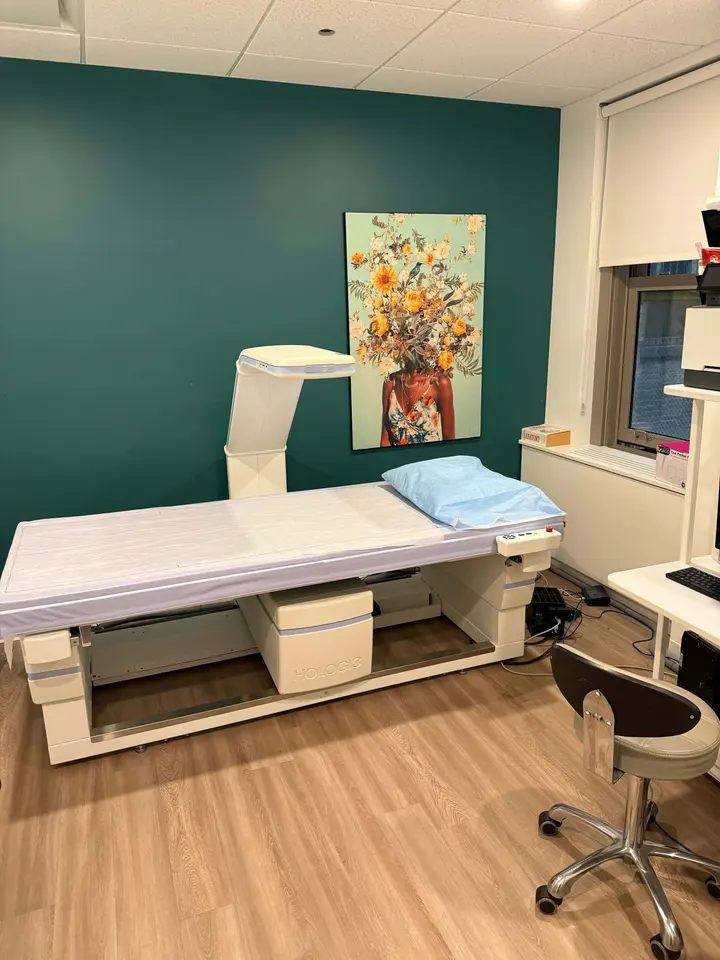
A DEXA scan uses a low dose of X-rays. Medically it is the standard bone-density test (medlineplus.gov); many self-pay services use it to estimate body composition (fat and lean mass) instead. Ask which you are getting. A VO2 max test measures how much oxygen you use at peak effort on a treadmill or bike. It is a fitness measurement, not a heart check, unless a clinician runs it as part of a medical stress test. If you have heart symptoms or a heart condition, talk to your doctor before a maximal-effort test.
How do I check a physician or clinician?
Ask the business for the full name of its medical director and of the clinicians you will see. You can look up a physician’s license and any public board actions at DocInfo.org (docinfo.org), run by the Federation of State Medical Boards, or with the state medical or nursing board where the business operates; every profile links the lookup for its state. Longevity Locator shows oversight only as each business publishes it and does not verify licenses, board certification or training.
What should I know about IV drips, NAD+ and hyperbaric oxygen?
An IV drip is a medical procedure: in most states it needs an order from a licensed prescriber and is placed by licensed staff, though rules vary by state. Ask who reviews your health history, what is in the bag and where it is prepared. NAD+ is often priced per dose, so check the unit. Hyperbaric chambers are FDA-cleared medical devices for specific conditions (FDA consumer information: fda.gov). We don’t say whether any of these therapies works or is right for you; ask your own doctor.
Can I use an HSA or FSA?
Sometimes. Whether an expense qualifies depends on the specific service and whether it is primarily for medical care; some plans ask for a letter of medical necessity from a clinician. Memberships, wellness services and fitness testing often don’t qualify on their own. See IRS Publication 502 (irs.gov) and check with your plan administrator before you pay. This is general information, not tax advice.
What should I ask before buying a membership?
Ask who the physician is and how often you will see them; exactly which tests, scans and visits are included; what costs extra (labs, imaging, prescriptions, supplements, therapies); whether it replaces your primary care doctor or works alongside them; whether the clinic sells the products it recommends; and how renewal, cancellation and refunds work. Get the answers in writing.
Does Longevity Locator rate or recommend places?
No. We never give our own star ratings, and a listing is not an endorsement or a statement that a business is licensed or safe. Each profile shows six checks (address, who’s in charge, prices, review links, photos and hours) so you can see what we could confirm from public sources. We link to review pages on Google, Yelp and other platforms rather than copying their scores.
What does “Featured” mean?
Some owner-verified listings are Featured. A business is Featured for 12 months after its owner books a strategy call with Winback Engine, the company behind Longevity Locator, and stays Featured while it is a Winback Engine customer. Featured listings are always labeled and can appear first in the default sort, but Featured never changes a listing’s checks, oversight details, prices or review links.
Do I book through Longevity Locator?
No. Every profile links to the business’s own booking page, website or phone number, so you book and pay directly. Longevity Locator doesn’t take bookings or charge fees. It is information only, not medical advice. In an emergency, call 911.
My business is missing or out of date. How do I fix it?
Owners can claim a free listing, and anyone can suggest a missing business or a correction from the “For businesses” page. Requests are reviewed against the business’s own published sources before anything changes. Please don’t include patient or health information.